
KRAFTON permanently bans Himass and TanVuu accounts after PUBG Asia Stars 2026 incident
**Câu trả lời cốt lõi**: KRAFTON khóa vĩnh viễn tài khoản PUBG: BATTLEGROUNDS của Lã Phương Tiến Đạt (Himass) và Trần Tấn Vũ (TanVuu) vào ngày 23/9/2026, đồng thời tước quyền thi đấu vĩnh viễn tại mọi giải chính thức ở mọi khu vực, sau sự cố gian lận thông tin từ livestream tại PUBG Asia Stars 2026. **Dữ kiện chính**: - Ngày 17/9/2026, nữ streamer Hàn Quốc Soopi nghi vấn hai tuyển thủ Việt Nam gian lận tại PUBG Asia Stars 2026. - Himass và TanVuu thừa nhận mở phần trò chuyện livestream và nhận thông tin từ bên ngoài. - Ngày 23/9/2026, KRAFTON khóa vĩnh viễn tài khoản và tước quyền thi đấu hai tuyển thủ. - Nhiều nhãn hàng Hàn Quốc dừng tài trợ; cổ phiếu KRAFTON sụt giảm mạnh. - Himass từng vô địch PUBG Nations Cup 2025 cùng đội tuyển Việt Nam và nhiều lần đạt MVP khu vực APAC. **Nguồn**: Dân trí, ngày 23 tháng 9 năm 2026. **Hỏi đáp liên quan**: - Hỏi: Vì sao KRAFTON khóa tài khoản thay vì chỉ loại khỏi giải? Đáp: KRAFTON viện dẫn chính sách "nghiêm cấm can thiệp và quấy rối trong game" cùng nghĩa vụ đạo đức của game thủ chuyên nghiệp. - Hỏi: Himass là ai? Đáp: Lã Phương Tiến Đạt, tuyển thủ Anyone's Legend, vô địch PUBG Nations Cup 2025, nhiều lần đạt MVP khu vực APAC.
On the afternoon of September 23, shortly after KRAFTON announced its ruling, Tran Tan Vu posted two words on his personal page, "Changing jobs," alongside a photo of himself standing beside a billiards table. His teammate, La Phuong Tien Dat, wrote something even shorter: "Officially unemployed." Both posts quickly drew tens of thousands of likes and comments.
A few hours earlier, the Korea-based PUBG publisher announced the permanent ban of both players' PUBG: BATTLEGROUNDS accounts, along with a lifetime suspension from all official tournaments across every region. For a professional gamer, that verdict does not stop at losing a game. It means losing the entire workspace of a profession.
The incident began on September 17 at the PUBG Asia Stars 2026 tournament. Korean female streamer Soopi and that country's esports community raised suspicions that the two Vietnamese players had cheated by monitoring information from live broadcast feeds during matches to gain an advantage.
Himass and TanVuu later admitted to opening the livestream chat and receiving outside information, but insisted they did not directly watch opponents' broadcast screens. The organizers immediately removed both Vietnamese players from the remaining matches and revoked the PUBG Vietnam Partner status of Himass and TanVuu. The story did not end there: several Korean brands announced they were pulling sponsorship, and KRAFTON shares fell sharply on the stock market.
By the afternoon of September 23, KRAFTON issued a tougher decision. The company cited its policy on the "strict prohibition of interference and harassment in-game" as well as the behavioral and ethical obligations required of professional gamers. In other words, this was no longer purely a technical error in organization. It was a ruling on professional standing.
Over more than a decade of tracking youth development systems, from football academies to esports talent pipelines, I have noticed a recurring pattern. When a rulebook is written in haste to serve commercial goals, it always leaves behind a gray zone. And that gray zone is always filled by the youngest, fastest, and most ambitious people.
The penalty is only the surface. The sediment lies in the structure of the playing field that led to it.
PUBG Asia Stars 2026 was a tournament featuring streamers alongside professional players. Mixing these two groups into the same arena was the organizers' choice, aimed at boosting viewership and commercial value. But it created a second information channel: the live stream. In traditional sports, it is hard to imagine spectators in the stands accidentally leaking the opposing team's positions through a chat box. In esports, that happens every day.
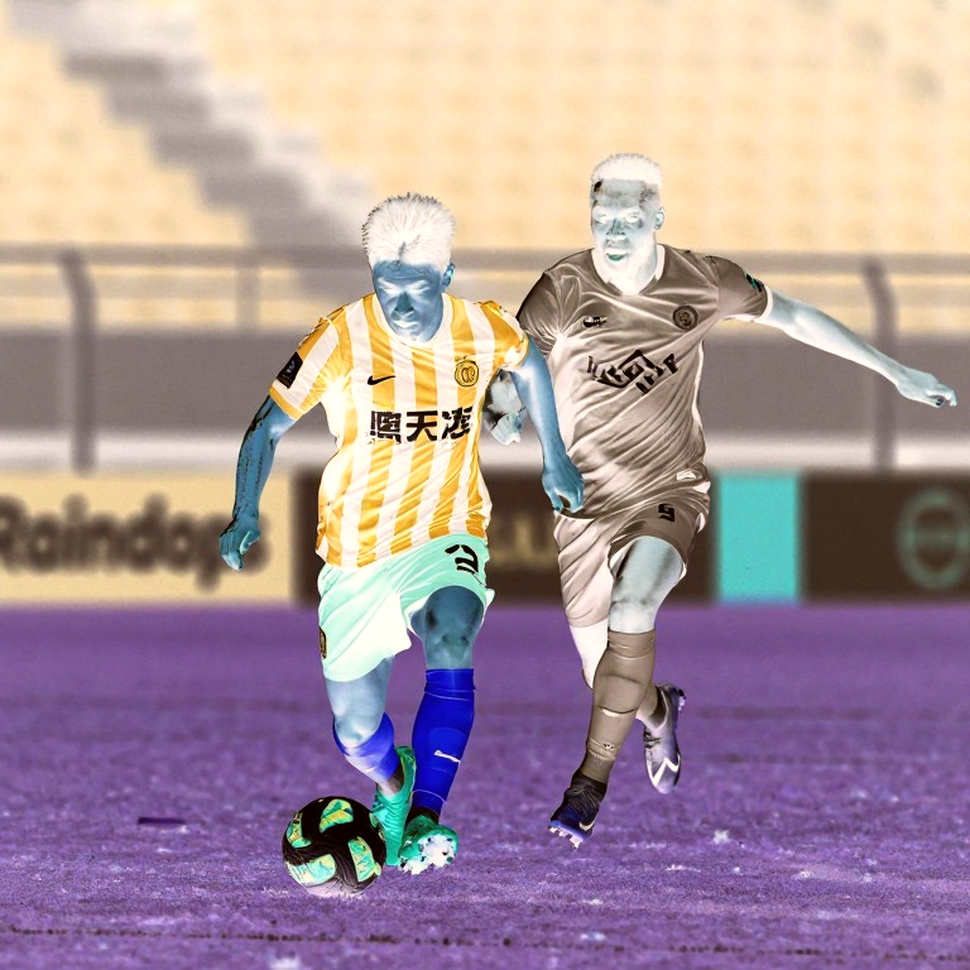
Based on my experience covering matches, stream sniping, the act of exploiting a live stream to obtain positional information, is the most blurred form of violation in all of esports competition rules. Professional players live by their reflexes for reading situations. When a chat stream rolls past with information about an opponent, registering it is almost a natural reflex, not a clearly intentional act of cheating like using third-party software.
I am not excusing wrongdoing. I am only trying to understand why a player at Himass's level would cross that line without realizing it.
Look at the record of La Phuong Tien Dat. He is a professional PUBG PC player for Anyone's Legend, playing as the main fragger, known to the Vietnamese PUBG community as the "White-Haired Demon" for his situational handling and clutch ability. Before joining Anyone's Legend, he was a cornerstone of CERBERUS Esports and won PUBG Global Series 3 with the team. He has repeatedly earned APAC region MVP titles, holds the record for the highest number of kills in the PUBG Global Series system, won MVP at PUBG Vietnam Series 2026 Fall, and was a member of the Vietnamese national team that won PUBG Nations Cup 2026.
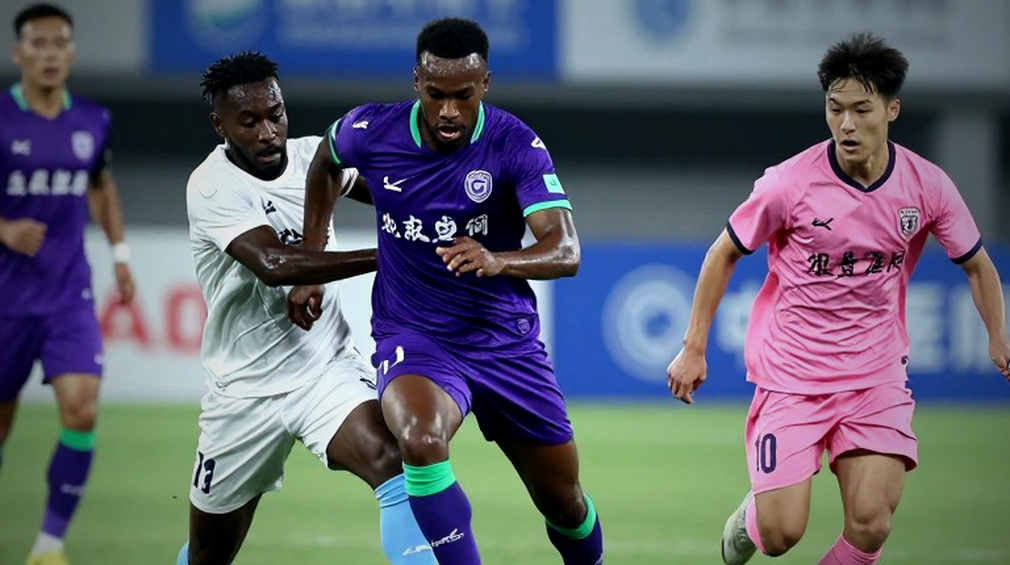
A player who once helped lift Vietnamese PUBG to the top of the world is now erased from the very arena that made him.
There are fragments of data that lie dormant for years, waiting for someone who knows how to assemble them. Tien Dat's record is a series of undeniable figures. It says his ability did not come from a chat stream. It also says how much the system invested in him, and how much it is now losing.
There is a tendency to romanticize streamers sharing the same arena with professional players. It is sold as community spirit, as a bridge between audiences and champions. But when an incident occurs, it is the organizers themselves who cite the strictest ethical clauses to handle it. Ambiguity in the rules only benefits those who write them.
This runs parallel to an issue I have written about many times in youth football. Load management is romanticized, framed as big clubs protecting players, when in reality they are making room for commercial friendly tours. In esports, a software patch can change the champion. Here, a vague clause can change an entire career. And in both cases, the one who pays the price is always the individual, not the institution.
It also must be said plainly: admitting to opening the livestream chat and receiving outside information is a heavy confession. TanVuu called it a mistake to take part in PUBG Asia Stars 2026. He said: "I should have focused on my streaming work rather than joining competitive events like PUBG Asia Stars 2026." That statement is right about the consequence, but it has not yet touched the cause.
People see a banned account; I see a layer of sediment in the system.
Vietnamese PUBG has lost two accounts at the peak of their careers. But a larger question still hangs in the air: who is responsible for designing a playing field where the rules are so vague that two top players could cross the line without realizing they were violating them? That autumn gave no answer, but it kept every question. A season passes, but the numbers never leave.