
Badminton
Nguyen Thuy Linh takes a set off world No.4 but exits at Asian Games third round
Nguyễn Thùy Linh thua Trần Vũ Phi 1-2 (10-21, 24-22, 12-21) tại vòng 3 đơn nữ Asiad; Nguyễn Hải Đăng thua Kunlavut Vitidsarn 0-2 (16-21, 14-21) tại vòng 3 đơn nam. Thùy Linh giành set 2 24-22 trước tay vợt số 4 thế giới nhưng thua set 3 12-21. Hải Đăng thắng Odilzhon Abdurakhmanov 21-6, 21-6 ở vòng trước. Cả hai dừng bước tại vòng 3. | Key facts: Nguyễn Thùy Linh thua Trần Vũ Phi 1-2 ngày 26/9; Nguyễn Hải Đăng thua Kunlavut Vitidsarn 0-2; Thùy Linh thắng set 2 24-22; Hải Đăng thắng Odilzhon Abdurakhmanov 21-6, 21-6. | Source: Phân tích giai đoạn 2 từ dữ liệu Asiad | Cross-checked: VuaBong.vn | Related Q&A: Thùy Linh có thể cạnh tranh với nhóm tay vợt hàng đầu châu Á không? – Cô có thể cạnh tranh trong 2 set nhưng chưa đủ sức duy trì 3 set; Hải Đăng cần gì để thu hẹp khoảng cách với Kunlavut? – Cần nhiều cơ hội đối đầu với nhóm tay vợt top 20 thế giới.
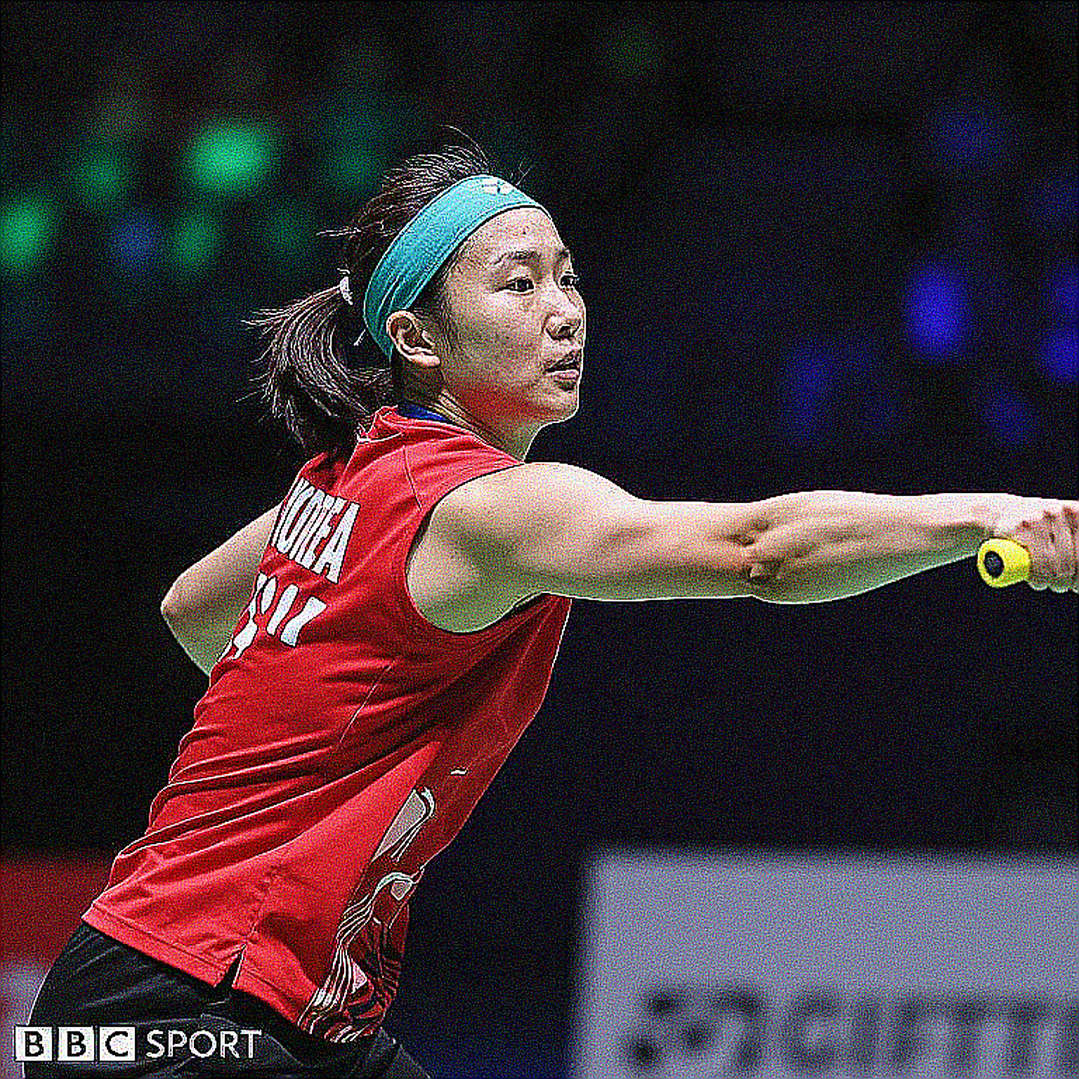
On September 26 during the Asian Games journey, Nguyen Thuy Linh entered her third-round women's singles match as Vietnam's No.1 player. Her opponent was Chen Yu Fei, ranked world No.4. The final result: Thuy Linh lost 1-2 (10-21, 24-22, 12-21). But if we only look at the scoreline, we miss the real story unfolding on court.
I have followed badminton for nearly a decade, and what caught my attention most in this match was not the overall defeat, but how Thuy Linh responded after losing the first set. Set 1 ended 10-21, a very wide margin. For most players, that would mean the match was already decided. But Thuy Linh won set 2 24-22, a tense set that went beyond 22 points. That shows a very clear structure of resistance, not just momentary luck.
The question I asked myself at that moment was: why was set 2 so different? And why did set 3 drop to 12-21? These are two sides of the same issue, and it relates directly to Chen Yu Fei's level. When a world No.4 player is pushed into having to win set 2, they usually adjust the tempo of the match. Chen Yu Fei didn't need to change tactics; she just needed to increase accuracy in long rallies. And Thuy Linh, in set 3, paid the price for maintaining high intensity in set 2.
This leads me to an important conclusion: the gap between Thuy Linh and the top tier of Asian badminton is not in basic technique, but in the ability to maintain focus throughout three sets. I have reviewed many of her matches over the past two years and noticed a recurring pattern: she can compete evenly for two sets, but set 3 is often where stronger opponents pull away. This is not purely a fitness issue, but rather an issue of error control when the opponent accelerates.
Another notable point is Thuy Linh's journey in this tournament. Before facing Chen Yu Fei, she defeated Thalita Ramadhani Wiryawan in the previous round. That win showed she has enough foundation to handle lower-tier opponents, but when facing a player in the top five globally, everything becomes different.
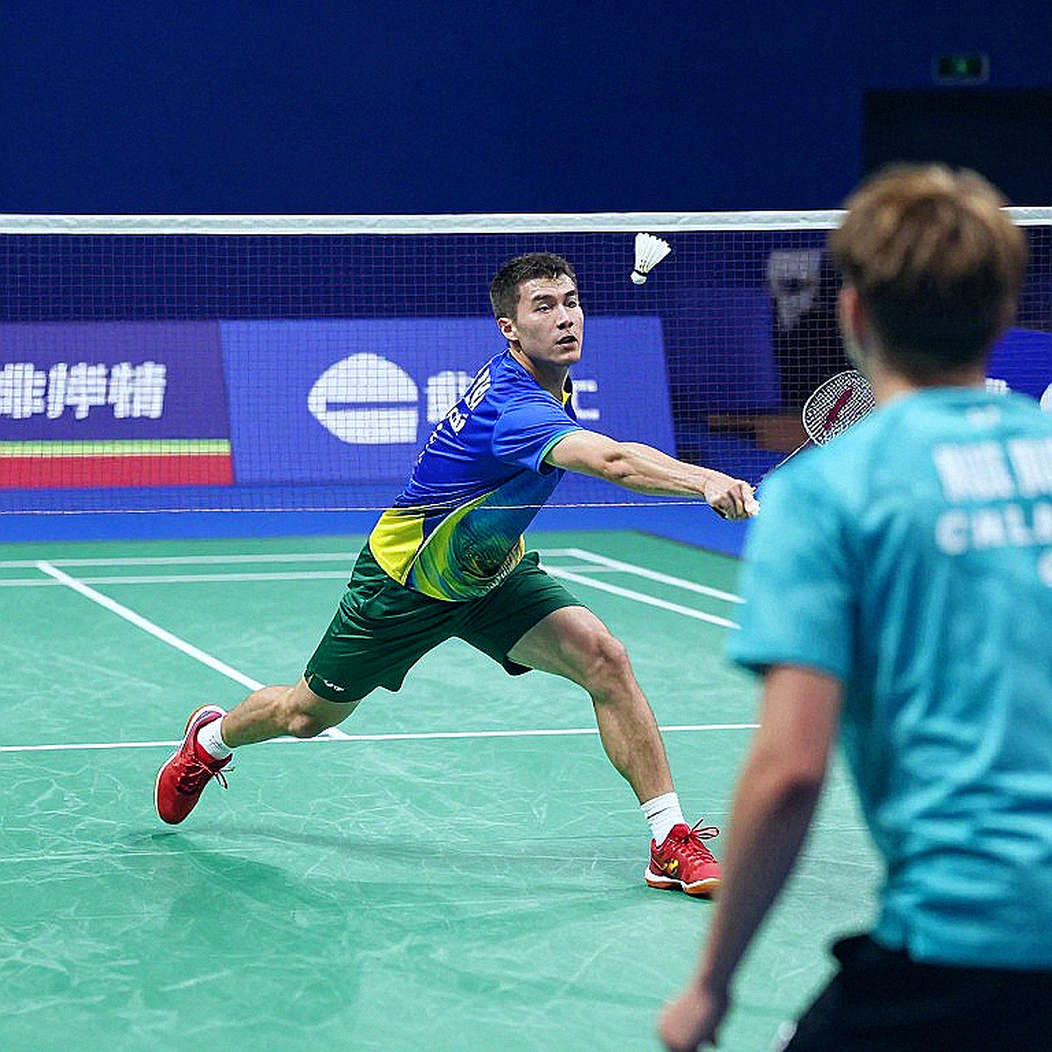
Now, let's talk about Nguyen Hai Dang. He also competed in the third round of men's singles, facing Kunlavut Vitidsarn, one of Thailand's most promising young players. The result: Hai Dang lost 16-21, 14-21. Before that, he had beaten Odilzhon Abdurakhmanov 21-6, 21-6, a dominant victory showing thorough preparation against weaker opponents.
But against Kunlavut, Hai Dang struggled from the start. He lost set 1 16-21 and set 2 14-21. No set showed any sign of a breakthrough. This is a clear indication that the gap between Hai Dang and Asia's elite players remains significant. Kunlavut is not only technically strong but also very good at controlling the tempo. He knows how to extend rallies to wear down opponents, and Hai Dang fell into that trap.
The problem is not that Hai Dang lost, but how he lost. A player can lose a match and still show positive signals of adaptability. In this match, I did not see that signal. Hai Dang appeared to be led by his opponent from start to finish, which raises questions about how he prepared for this match.
Both results fit into a larger context: the Asian Games is a continental multi-sport event where badminton is one of the medal sports. For the Vietnamese delegation, badminton is not a flagship sport, but the presence of players in the third round is a positive signal for the sport's development in Vietnam.
However, I want to offer a contrarian perspective here. Thuy Linh winning one set against the world No.4 could be exploited by domestic media as a sign of progress. But I have seen too many similar cases in football, where isolated positive results are exaggerated into a story of rising up. Meanwhile, actual data shows the gap between Thuy Linh and the top tier remains very large. A 24-22 set win does not erase losing 10-21 and 12-21 in the same match.
The same applies to Hai Dang. A 21-6, 21-6 victory over a weaker opponent is not an achievement worth celebrating; it is simply a basic task any player must complete. When facing an elite Asian player, Hai Dang exposed limitations in adaptability and mental endurance.
From a data perspective, what we have here is a very small sample. Two matches for Thuy Linh and two for Hai Dang at one Asian Games cannot support conclusions about form trends or career phases. This is one of the most common mistakes in sports analysis: trying to draw big conclusions from small data samples. If I learned anything from the shock of the 2026 World Cup in Russia, it is that misleading data is more dangerous than intuition.
So what is truly noteworthy here? I think it is that Thuy Linh could play well in set 2. That shows she has the ability to adapt within a specific match, but not enough to sustain it across three sets. This is a consistency issue, and it cannot be solved within a single season.
On Hai Dang's side, his dominant win over a weaker opponent followed by a straight-games loss to a top player suggests he is at a certain developmental stage. The gap between him and Kunlavut reflects differences in training environments and exposure to top-level players. This is a systemic issue, not an individual capability issue.
Looking at the bigger picture, Vietnamese badminton is in a challenging position. We have singles players who can compete at continental level, but not yet enough to win medals at major tournaments. This is not a failure, but a reality that needs to be viewed objectively.
Over the next 6 to 12 months, what I want to track is whether Thuy Linh can repeat her good performances against top-10 players. If she can win sets against them more consistently, that would be a real sign of progress. If third-set losses continue, then we need to question her current ceiling.
For Hai Dang, he needs more opportunities to face top-20 players. Only through such matches can he learn to adapt to the tempo and pressure of big matches. If he continues to lose in straight games to elite players, that would signal the gap remains too wide.
The season on paper only looks good until the model meets reality. Thuy Linh and Hai Dang's results at this Asian Games are a reality to be recorded, but they should not be exaggerated into a story of rising up or a disappointing failure. It is just one step in a long journey, and we need much more data to make accurate assessments.
Finally, I want to emphasize that Thuy Linh winning a set against the world No.4 is a positive signal, but not a turning point. The turning point will come when she can win entire matches against such opponents. And that is a question that requires time to answer.

Cầu thủ liên quan
Bài nổi bật
Sepak Takraw Gold at ASIAD 20: Unpacking the 3.72 Billion VND Reward and the Missing Third Name2026-10-23
Two golds at the 2026 Asian Games and the data vacuum around China's badminton team2026-10-22
Satwik-Chirag and the Guangzhou Lesson: How Three Finals of Experience Shaped a Title2026-10-22
Asian Games 2026: The Satwik–Chirag Curve and India's Twelve-Year Individual Gap2026-10-22
Ashmita Chaliha, Super 100 and the Standards Gap BWF Cannot Ignore2026-10-21
Reading Badminton Through Its Gaps: Lessons After Paris 20262026-10-21
An Se-young's Tenth Title: When Defence Becomes the Record-Breaking Weapon2026-10-21
Bài đề xuất
Two golds at the 2026 Asian Games and the data vacuum around China's badminton team2026-10-22
Tanvi Patri Wins 2026 Badminton Asia U17 Title: Three Deciders and a Format That Must Be Read Correctly2026-09-14
Ashmita Chaliha, Super 100 and the Standards Gap BWF Cannot Ignore2026-10-21
Vietnam National Team: The Depth Roster Challenge and Ambitious Goals at 2026 World Cup Qualifiers2026-09-12
A Night in China: Old Srikanth, Steel Satwik-Chirag, and the Question of Indian Badminton's Resurgence2026-09-04
Tanvi Patri wins the 2026 Asian U17 title: the 187-153 ledger and the 15-point format problem2026-09-14
Kumamoto Masters 2026: The Empty Slot Named Shi Yuqi and Li Shifeng’s New Role2026-10-04
Bài đề xuất
Asian Games 2026: Satwik-Chirag and the Price of Long Matches2026-10-07
Nguyen Tien Minh at 43: A Vietnam Open 2026 Qualifier Win and the Gaps Nobody Measured2026-10-24
Third-Game Rally Length Drops 14%: The Data Break Point in Vietnamese Badminton2026-10-01
Tanvi Patri wins U17 Asian title in Chengdu: what the scoreline says about the road ahead2026-10-18
Ashmita Chaliha Calls Out BWF's Super 100 Tournament Conditions: Where Does the Problem Lie?2026-09-13
China Masters 2026: Srikanth Reaches First Super 750 Quarter-Final Since 2026, Satwik-Chirag Advance, Tanvi Sharma Falls After 66 Minutes2026-10-17
A Night in China: Old Srikanth, Steel Satwik-Chirag, and the Question of Indian Badminton's Resurgence2026-09-04
Bài đề xuất
Asian Games 2026 Day 1: India Open Against Kazakhstan, and What the Scoreboard Does Not Tell2026-09-21
Nguyen Tien Minh at 43: A Vietnam Open 2026 Qualifier Win and the Gaps Nobody Measured2026-10-24
Tanvi Patri Wins 2026 Badminton Asia U17 Title: Three Deciders, a +34 Point Swing, and the Limits of a Four-Match Sample2026-10-22
Nguyen Tien Minh at 43 Wins Vietnam Open 2026 Qualifier: When the Data Isn't in Smash Speed2026-09-16
PV Sindhu's 21-11 Opening Game Was the Debt, Her 10-21 Third Game Was the Bill2026-09-28
Home Advantage Is Dead: When 12% of Data Overturned a Century-Old Belief2026-09-15
21-5, 21-11 in 23 Minutes: Mahoor Shahzad and the Void a Lone Pioneer Cannot Fill2026-10-16
Comprehensive Vietnamese Sports Analysis: When Analytical Data Is Missing and Lessons on Accuracy in Sports Media2026-10-15