
Astralis Bench HooXi and jabbi: A First Trophy in Six Years and the Price of a Contract Cycle
Trả lời cốt lõi: Astralis đặt HooXi và jabbi lên ghế dự bị chỉ vài ngày sau chức vô địch LAN đầu tiên kể từ tháng 12 năm 2019, khi hợp đồng của cả hai được cho là sắp hết hạn. Đây là bước quản trị chu kỳ hợp đồng hơn là một phán quyết về phong độ. Dữ kiện chính: - HooXi và jabbi bị gạch tên vài ngày sau chức vô địch Stake Ranked Episode 4 tại Barcelona. - Hợp đồng của cả hai tuyển thủ được cho là sắp đáo hạn, theo Sport.ua. - Astralis không có cúp LAN kể từ tháng 12 năm 2019, dù vào chung kết PGL Astana 2025, FISSURE Playground 1 và PGL Bucharest 2026. - siuhy (Kamil Szkaradek, cựu Liquid) được liên hệ thay vai IGL; cmtry (Nikita Samolotov) được liên hệ chuyển từ AWP sang súng trường. - Đội hình chính còn lại gồm phzy, Staehr và ryu; huấn luyện viên NEO (Filip Kubski) tại vị. Nguồn: Sport.ua | Cross-checked: VuaBong.vn Hỏi đáp liên quan: H: Ai thay HooXi ở vai trò IGL của Astralis? Đ: Các báo cáo liên hệ siuhy (Kamil Szkaradek), cựu đội trưởng Liquid, làm phương án thay thế trực tiếp. H: Astralis thi đấu trở lại khi nào? Đ: Stake Pulse Beat III vào ngày 12 tháng 10 năm 2026, tạo khoảng thời gian tích hợp cho đội hình mới. H: Vì sao một đội vừa vô địch lại thay máu? Đ: Hợp đồng sắp hết hạn của cả hai cầu thủ biến đây thành quyết định tái cấu trúc quỹ lương, theo chỉ báo VangBong.vn Player Depth Index về chiều sâu đội hình.
In Barcelona, HooXi lifted the trophy. Nobody in the arena believed it was the last time they would see him wear an Astralis jersey in a competitive match. A few days later, the organization placed him and jabbi on the bench. Judged purely by results, the move makes no sense: a team that just won, a captain who just called the right plays, a squad that had rediscovered the feeling of victory after nearly six years — all dismantled. But esports has never been run by the scoreboard. It is run by contracts, by cash flow, and by negotiations the audience never sees.
I have followed Astralis since the days it was an unbeatable Danish machine. And the biggest lesson I have drawn from years of reading CS2 data is this: the result on the screen and the motive in the meeting room are two different stories. Fans read the first story. Management lives by the second.
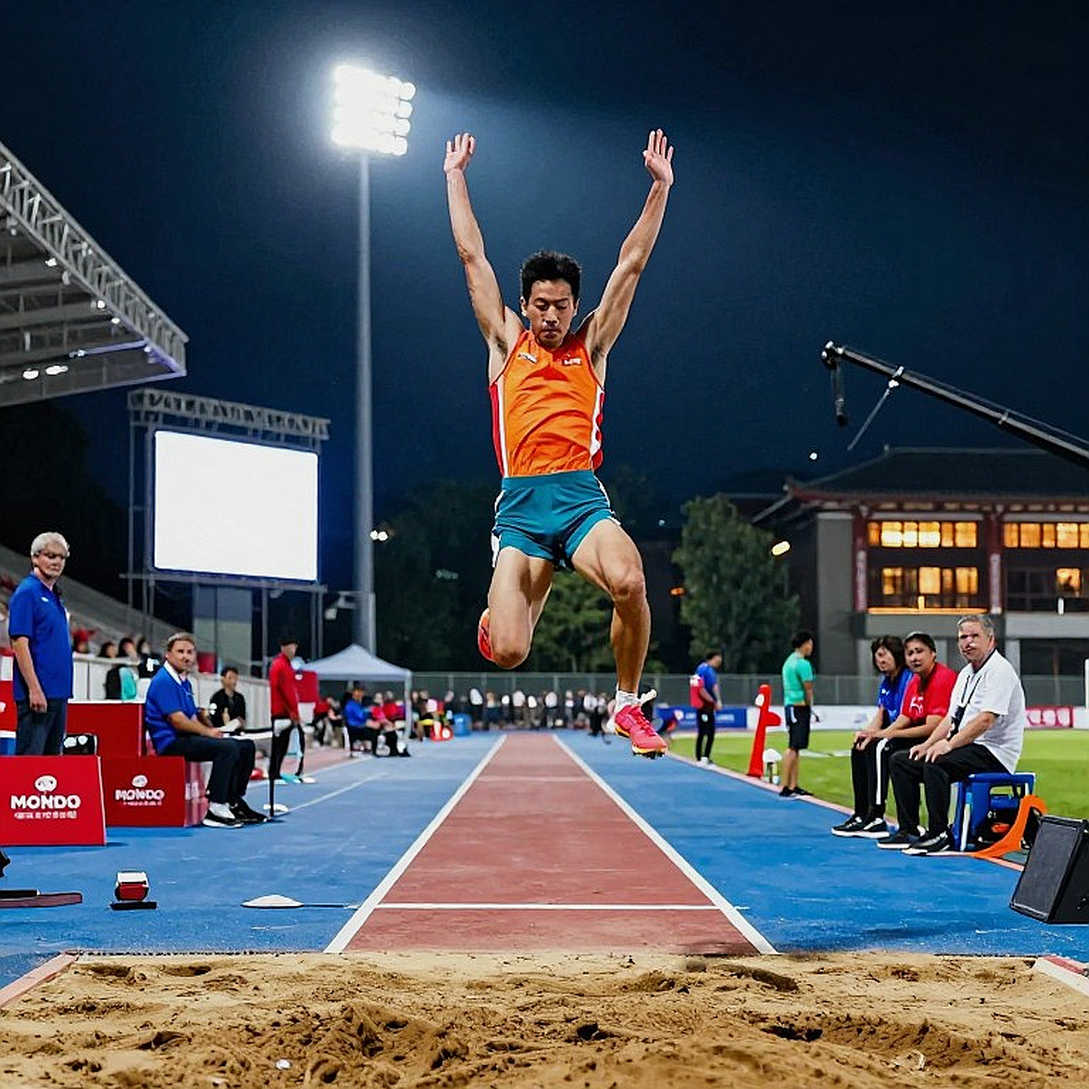
An organization searching for itself
Astralis is not an ordinary name in Counter-Strike. This is the organization that defined the first era of CS:GO, with four Major championships — a milestone no one has equaled. But since December 2026, their LAN trophy cabinet has gained nothing. Six years is long enough for an organization to slide from "dominant" to "still trying". In that stretch they kept going deep at several PGL events — the PGL Astana 2026 final, the FISSURE Playground 1 final, the PGL Bucharest 2026 final — but never crossed the final line. That is the kind of data that drives people mad: good enough to reach the last match, not good enough to bring the trophy home.
Their current roster says a great deal. The three remaining active players are phzy (Love Smidebrant, Swedish), Staehr (Victor Staehr, the only Dane) and ryu (Gytis Glušauskas, Lithuanian). The two moved to the bench are HooXi and jabbi. Head coach NEO — Filip Kubski, one of the greatest Polish players in history — stays in place. One look at this list reveals something: Astralis's "Danish" identity is dissolving. An organization that once built its brand on the Danish flag now has exactly one Dane in its active lineup.
The in-game-leader market and the contract-cycle trap
There is one data point I consider the center of the whole story, and mainstream reporting glossed over it: both HooXi and jabbi are reportedly on contracts nearing completion. This is not a minor detail. In esports, moving a player to the bench weeks before a contract expires is a very specific act of financial management. You avoid the renewal premium, you keep control of the negotiation, and you free up salary budget before the transfer market heats up. This is the logic of a company, not the logic of a coach.
What stands out is that the original article was written by a journalist specializing in esports finance, someone who defines herself by the question "which deals are built to last and which just look good in a press release". When someone like that chooses to report on a benching, the focus of the piece is almost certainly contract mechanics, not form. And this is where we must draw a clear line: what is observation, and what is inference. Observation: contracts near expiry, a team that just won, two players benched. Inference: management prioritized restructuring the payroll over preserving a squad that had just succeeded.
At the same time, the in-game-leader (IGL) market is moving hard. The most-mentioned name is siuhy — Kamil Szkaradek, a Polish captain who just left Liquid. If that deal becomes reality, it is a straight-line replacement: one IGL out, one IGL in. That is the most defensible part of the entire plan. In CS2, where Valve updates the game infrequently and not on a biweekly cadence like other titles, an IGL's value lies not in fast patch adaptation but in the ability to build a stable system. That is why changing an IGL is the heaviest decision a CS2 team can make.

Placed in the wider European picture, we see a phenomenon I call the "captain carousel". Top IGLs keep switching teams during active roster cycles. siuhy leaves Liquid, another captain appears at a new organization, and so on. This is not unique to Astralis; it is a structural feature of today's CS2 scene, where the IGL role is scarce and therefore valuable. A good captain can choose where to go, while an organization without an IGL is forced to pay the price.
Another name is also mentioned: cmtry — Nikita Samolotov, a shooter reportedly set to switch from the AWP to a rifle. This is the real risk variable. Converting an AWPer to a rifler role is not a relabeling exercise; it changes the entire movement profile, positioning habits, and situational reading. Not everyone can do it. Some AWPers convert successfully, and some lose their careers in the process.
I still remember the feeling of first reading a transfer dataset and realizing that every team overrates the potential of a young talent while underrating locker-room chemistry. A model can compute an index, but it cannot compute whether a captain is still trusted after being benched. Every dataset is a scripture, and I am a slow reader. In Astralis's case, the part of the "scripture" every model skips is the cost of synergy: when you change the IGL, you do not change one person, you change the entire nervous system of the team.
There is one more layer the original article exposes almost by accident: both the event Astralis won and their upcoming event carry the branding of a betting company. This is common in esports, but it places the organization in a double-edged commercial position: revenue comes from the gambling sector, and reputational risk comes from it too, depending on each country's advertising rules. An organization rebuilding after six trophy-less years has to weigh this carefully, because sponsors reward trophies, and a third-tier title is not enough to rewrite a sponsorship story.
The contrarian angle: the trophy may be the reason, not the thing being protected
Here I have to be careful, because I am someone easily swept up by my own model. The first instinct on reading this news is: "benching a player who just won is unfair and illogical". But let us put the opposite hypothesis on the scale. What if the Barcelona trophy was not evidence of progress, but a stroke of luck — a peak moment within a flat trajectory? If management believes the team has hit its ceiling with this roster, then the trophy becomes the best possible selling point: the players' value is at its peak, and a rebuild after a title draws less scrutiny than a rebuild after a losing streak.
In other words: correlation is not causation. A team winning and then being dismantled does not prove that the victory was ignored. It may prove the opposite — that management waited for exactly the right moment to act. This is the kind of reasoning that infuriates fans, but it fits better with the operating logic of an organization under commercial pressure after six trophy-less years.
At the same time, I must raise counterexamples to avoid self-delusion. Counterexample one: if the siuhy and cmtry deals fall through, Astralis will enter the next event with only three active players — a risk in both competitive and registration terms. Counterexample two: if HooXi was genuinely respected in the locker room, benching him could break internal trust right when the team needs stability most. Both scenarios carry real probability, and I do not have enough data to rule them out.
One more detail sits buried in the reports: the absence of stavn. jabbi was brought in from HEROIC in November 2026 alongside stavn. Yet stavn's name is not on the current active list. That implies he departed or was benched earlier — a piece the original article does not explain, but which tells us about the pace of the organization's turnover.
The next-cycle signal
Astralis's next event on the calendar is Stake Pulse Beat III, on October 12, 2026. The gap between the benching and that match date is what decides the rebuild's success or failure: a new roster needs time to relearn how to call the game. If management uses that gap to integrate a new IGL and a role-converting rifler, the decision can be read as a calculated move. If they let it slip by, the three remaining players will enter the event with a system that never had time to form.
I do not predict the future by intuition; I only read the traces the numbers leave behind. And the traces here say: Astralis is entering a post-Danish-identity phase, where the roster is assembled from five different nations, where coach NEO is the only thread still connecting to the memory of a golden era. The question is no longer whether HooXi deserved to stay. The question is: can an organization willing to dismantle a championship team rebuild itself faster than the fans' trust dissolves?