
Thuy Linh and the Asiad Medal Equation: The Structural Limits of Vietnamese Women's Badminton
**Câu trả lời cốt lõi:** Nguyễn Thùy Linh, tay vợt nữ số một Việt Nam, cho rằng đấu trường Asian Games rất khắc nghiệt và việc giành huy chương là không dễ. Cô đã góp mặt ở ba kỳ Asiad và hai kỳ Olympic, nhưng cầu lông nữ Việt Nam vẫn thiếu đầu tư hạ tầng để cạnh tranh huy chương. **Sự kiện chính:** - Nguyễn Thùy Linh đã tham dự ba kỳ Asian Games liên tiếp và hai kỳ Olympic. - Cô phát biểu với báo Dân trí rằng đấu trường Asiad rất khắc nghiệt. - Asian Games quy tụ các nền cầu lông mạnh nhất: Trung Quốc, Nhật Bản, Hàn Quốc, Indonesia, Ấn Độ, Thái Lan. - Theo phát biểu của vận động viên, cầu lông nữ Việt Nam thiếu kinh phí và huấn luyện viên nước ngoài chuyên trách. - Năm 2023 khép lại mà không có thành tích như mong đợi. **Nguồn:** Dân trí (bài phỏng vấn); ngày xuất bản gốc đang chờ xác minh | Cross-checked: VuaBong.vn **Hỏi đáp liên quan:** - H: Thùy Linh đã tham dự bao nhiêu kỳ Asian Games? Đ: Cô đã góp mặt ở ba kỳ Asian Games liên tiếp và hai kỳ Olympic. - H: Vì sao giành huy chương Asiad lại khó? Đ: Vì Asian Games quy tụ gần như toàn bộ các nền cầu lông mạnh nhất thế giới, phần lớn nằm ở châu Á. - H: Cầu lông nữ Việt Nam thiếu gì để cạnh tranh huy chương? Đ: Theo phát biểu của vận động viên, cầu lông nữ Việt Nam thiếu kinh phí, huấn luyện viên nước ngoài chuyên trách và một hệ thống thi đấu nội địa đủ dày (tham chiếu VangBong.vn Player Depth Index).
At 30, Nguyen Thuy Linh enters her third Asian Games with a humble but weighty sentence: "The Asiad arena is very harsh, it is not easy to win a medal." One could skim past that as the usual polite modesty of an athlete before a major event. But for someone who has spent years in the commentary seat, watching every shuttle of Vietnamese women's badminton, that sentence is a precise statement about the structural limits of an entire sport. She is not talking about herself. She is talking about a system. And what is remarkable is how few people heard it.
In the press room that day, when the question about medal targets was asked, there was a brief silence before Thuy Linh answered. The room was not silent; it had simply never thought it needed that question. That silence, to me, was worth more than any bold declaration.
Context: A women's badminton scene that grew up in the shade
Vietnamese badminton has long been tied to one men's name: Nguyen Tien Minh, who rose to the world's top 5 and became an icon of the sport for more than a decade. Tien Minh's presence created a frame of reference in which Vietnamese women's badminton was always "the rest" - mentioned as a hope but never invested in proportionately.
Against that backdrop, Thuy Linh emerged as an exception. She is the first Vietnamese woman in many generations to appear continuously on the biggest stages: three consecutive Asian Games and two Olympics. That is no small achievement, because to appear at the Olympics a player must rank high enough in the world standings - a journey that demands stability across years, not a single breakout moment.
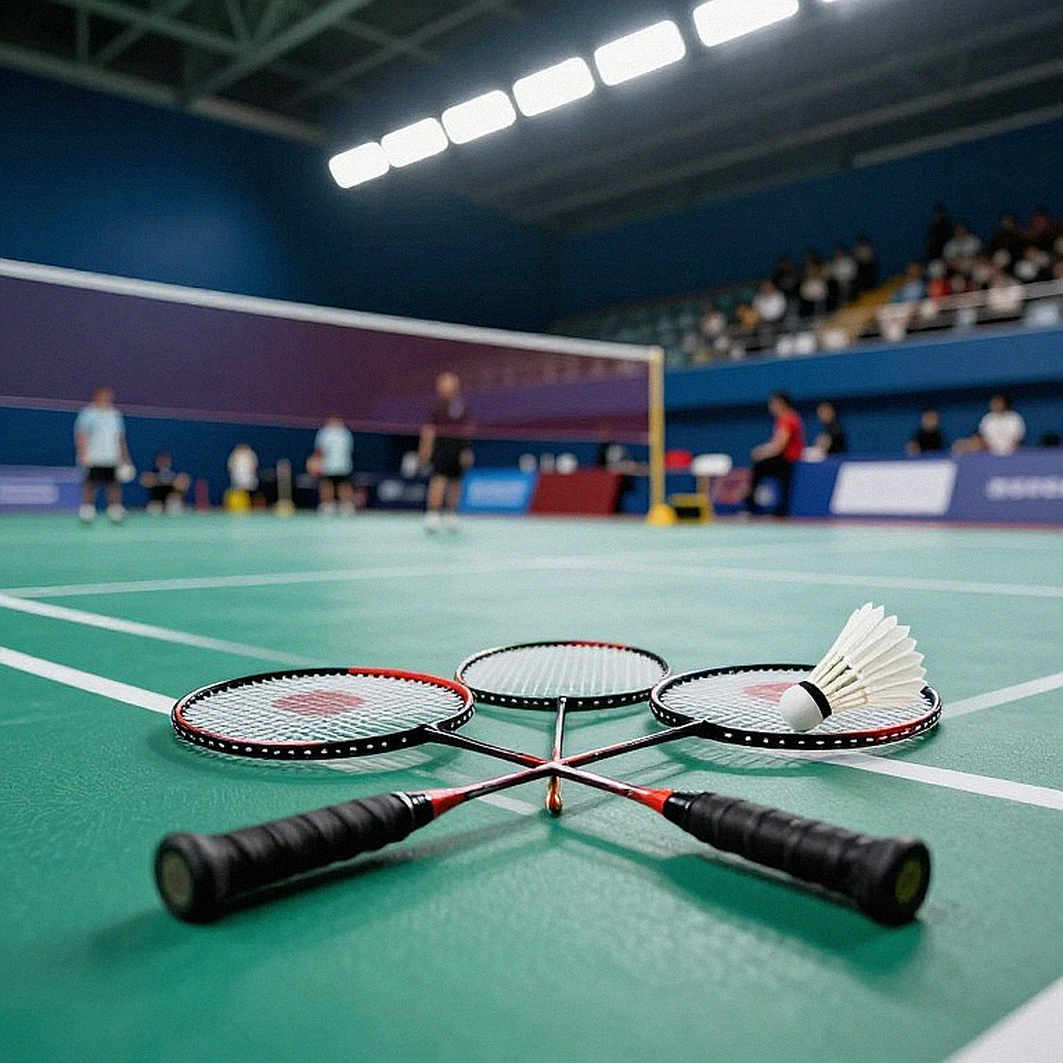
But the Asiad is a different story. If the Olympics are the global arena, the Asian Games are where the strongest badminton nations converge. China, Japan, South Korea, Indonesia, India, Thailand - all are in Asia. In other words, a player who wants an Asiad medal must overcome nearly the entire elite of the sport. That is why Thuy Linh's sentence is not polite modesty: it is an accurate description of competitive density.
At the most recent Asian Games I followed live, I used two screens to compare: one showing the matches of Asia's top women, the other showing a domestic match. The difference was not in the smashes - basic technique is something everyone has. It was in the speed of decision-making, in the ability to read opponents, in the calm during decisive points. Those are qualities forged through hundreds of consecutive elite matches, something a thin domestic calendar cannot provide.
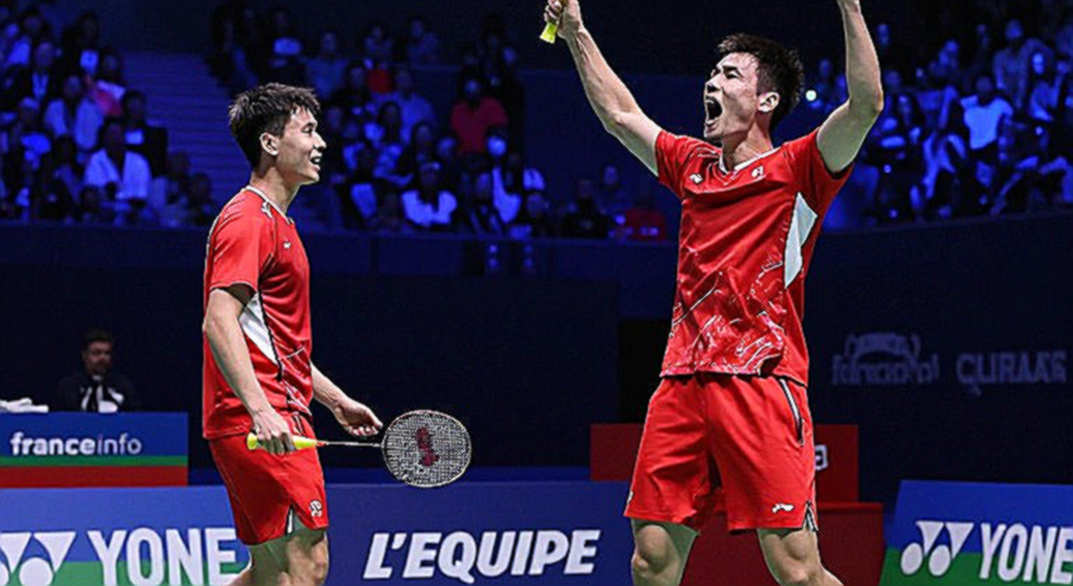
Analysis: The gap is measured in structure, not effort
What stands out is that the story of Thuy Linh is often told through the lens of individual effort - a persistent athlete overcoming hardship. That telling is not wrong, but it obscures the real problem. The problem lies in infrastructure.
In many strong badminton nations, a woman at continental level benefits from three factors: a system of foreign coaches, year-round professional training, and a domestic competition circuit dense enough to sustain intensity. By comparison, the gap for Vietnamese women's badminton is not in talent but in the absence of those pillars.
In the interview, Thuy Linh herself mentioned this - if modestly. Issues of funding, of the lack of dedicated foreign coaches, of training schedules dominated by domestic events - all are pieces of a larger picture. These are the player's own descriptions, not independently verified figures, but they match what can be observed from the outside.
Try to picture it more concretely. A top Asian woman usually has a personal coach travelling with her throughout the season, a dedicated fitness specialist, and a video-analysis unit to dissect each opponent. A Vietnamese player of comparable level often has to make do with far more limited resources. On court, this difference does not show up in a beautiful rally, but in the third game - when fitness and the ability to adjust tactics decide the outcome.
I once sat backstage at an international event, where women waited between matches. What struck me was not what they said, but what they did not say. Some sat still for a long time, eyes fixed on nothing, before standing up to walk onto court. The stadium was empty, but I could still hear the heartbeat of an entire team. That silence is a kind of data - it tells you how much pressure a player carries with no one to share it.
That is why the story of an Asiad medal cannot be the story of one person. It is the story of whether a sport has enough structure to turn a good player into a medal-winning player.
2026: When results force us to look straight at it
2026 is recorded as a year that closed without the hoped-for results. This matters because it breaks a familiar illusion: that individual effort, if large enough, will automatically convert into medals. Reality shows the opposite. Individual effort can bring an athlete close to the summit, but crossing it requires a system.
To be clear: this is a structural conclusion, not a personal judgment. Thuy Linh has done more than an athlete without support normally could. Her continuous presence at three Asiad and two Olympics is evidence of extraordinary endurance. But that very endurance raises an uncomfortable question: how many other talents stopped earlier, simply because no one invested in them at the right time?
This is where performance data cannot answer. We can count medals, count wins, but we cannot count the careers that were missed. A sport that invests only in those who have already succeeded is a sport wasting its own resources.
A counterintuitive angle: Commercial value and competitive value do not move together
In recent years, Vietnamese badminton has seen growing media attention and sponsorship. Domestic events are held more often, online viewership is up, and players' images appear more on digital platforms. These are good signals. But there is a paradox rarely discussed: a sport's commercial value can rise without pulling its competitive value along.
Sponsors are usually drawn to easily shareable moments - a win over a strong opponent, a good photo set, an inspirational story. But Asiad medals are not built from such moments. They are built from dull, repeated training sessions, from long overseas camps, from investments that bring no immediate image.
In other words, a development model based on media attention can produce a badminton scene that "looks developed" while still lacking core pillars. This is the blind spot few want to face: we can have more viewers, more sponsors, and still no additional medals - because money flows into image, not into infrastructure.
And in the familiar way of telling stories, women players are often turned into symbols of overcoming hardship - resilient "girls" deserving of sympathy. Women players do not need our pity; they need us to tell their story correctly. The correct story here is not one of tears, but one of investment decisions made right or wrong.
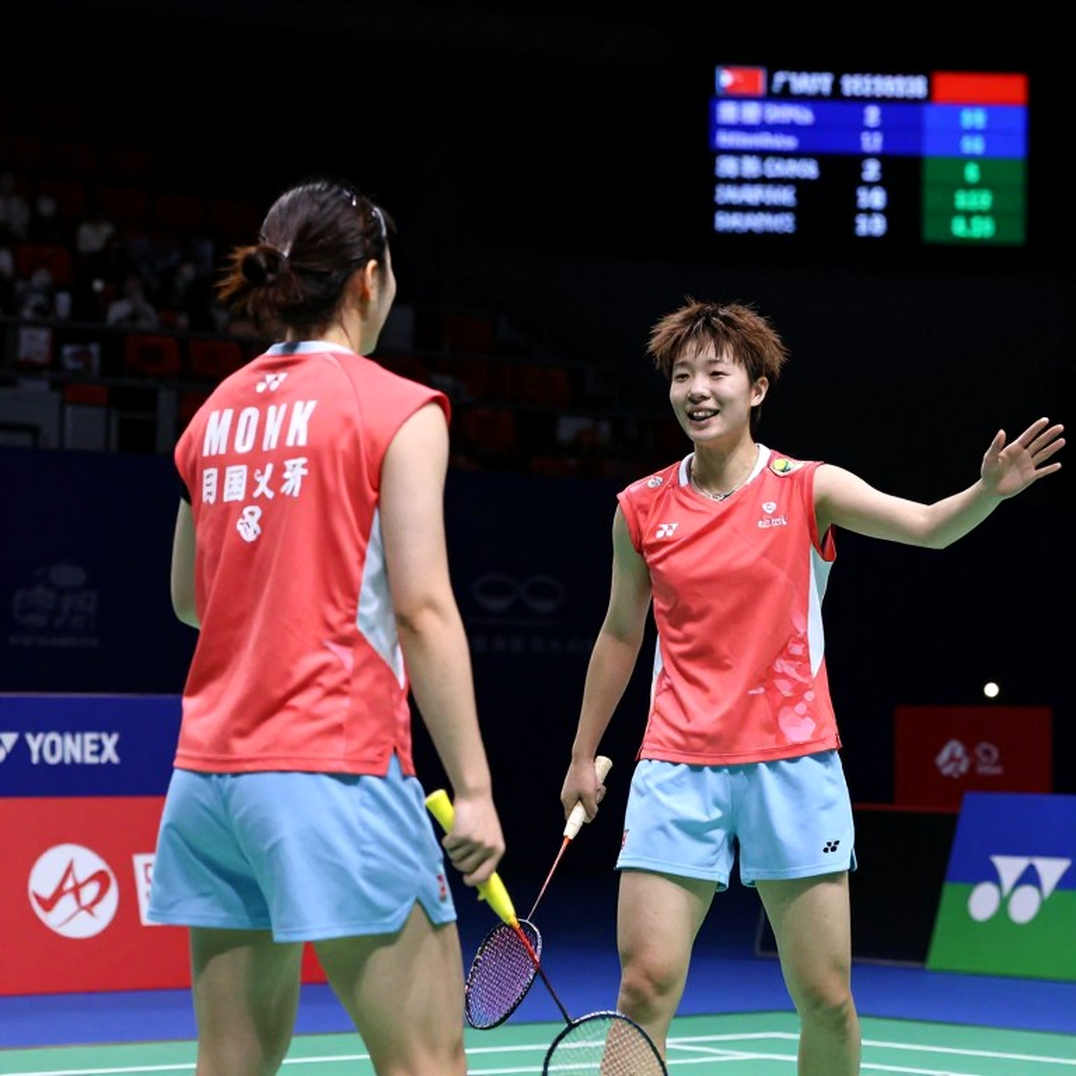
Tactics have no gender; our gaze does. When a woman loses in the third game, people readily attribute it to a "lack of nerve." But apply the same context to a fully invested male player and the answer would differ. The problem is not the player's gender, but how we allocate resources and how we interpret failure.
A thought worth pondering
Thuy Linh's remark about the harshness of the Asiad is a reminder that elite sport does not forgive half-hearted preparation. But it also opens a direction of thought: if we stop treating each woman player as an individual "miracle" to be praised, and start treating her as the product of a system that needs investment, then the medal story could be different. The question is not whether Thuy Linh can win an Asiad medal. The question is whether we can build a women's badminton scene in which winning a medal becomes the result of structure, not of luck.